

Injury Prevention
Injury prevention is key to staying active and performing at your best. Understanding proper warm-ups, movement, and recovery can significantly reduce your risk of injury.
Knee Injuries
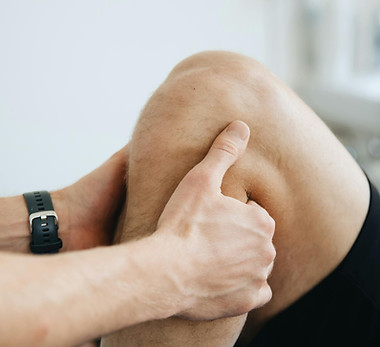
Knee injuries can involve ligaments (like the ACL) or irritation from overuse (like runner’s knee). They often happen during sports that involve jumping, cutting, or running.
Common causes
• Sudden stops or direction changes
• Poor landing technique
• Weak leg or hip muscles
• Overtraining
Symptoms
• Pain around or inside the knee
• Swelling
• Instability or “giving out.”
• Pain with running or jumping
How to prevent it
• Strengthen quads, hamstrings, and glutes
• Practice proper landing technique
• Don’t increase training too quickly
• Include rest days
Quick tip
Strong hips and glutes help protect your knees more than you think.
Muscle Strain

A muscle strain (or “pulled muscle”) happens when muscle fibers are overstretched or torn, often during sudden movement.
Common causes
• Not warming up
• Sudden sprinting or explosive movement
• Muscle fatigue
• Poor flexibility
Symptoms
• Sharp pain during movement
• Tightness or stiffness
• Swelling
• Weakness in the muscle
How to prevent it
• Warm up properly before activity
• Stretch regularly
• Strengthen muscles
• Stay hydrated
Quick tip
Most muscle strains happen when muscles are cold or fatigued—always warm up first.
Ankle Injuries

An ankle sprain happens when the ligaments around your ankle are stretched or torn, usually from rolling or twisting your ankle.
Common causes
• Landing awkwardly after a jump
• Quick changes in direction
• Uneven surfaces
• Not warming up properly
Symptoms
• Pain when walking or putting weight on it
• Swelling
• Bruising
• Feeling unstable
How to prevent it
• Strengthen ankle muscles (balance exercises)
• Wear proper shoes
• Warm up before the activity
• Tape or brace if you’ve had previous sprains
Quick tip
If you’ve sprained your ankle before, you’re more likely to do it again—focus on strengthening and balance training.
Plantar Fasciitis (Foot Pain)

Plantar fasciitis happens when the plantar fascia (the thick band of tissue on the bottom of your foot that connects your heel to your toes) becomes irritated or inflamed, usually from too much stress or overuse.
Common causes
• Running or jumping a lot
• Tight calf muscles
• Poorly supported shoes
• Sudden increase in activity
Symptoms
• Sharp heel pain
• Pain is worse in the morning
• Foot stiffness
• Pain after long periods of walking or standing
How to prevent it
• Stretch calves and feet
• Wear supportive shoes
• Increase activity slowly
• Strengthen foot muscles
Quick tip
Heel pain when you first wake up that improves after walking is a common sign of plantar fasciitis. Stretching and good shoes can help prevent it.
Hamstring Injuries
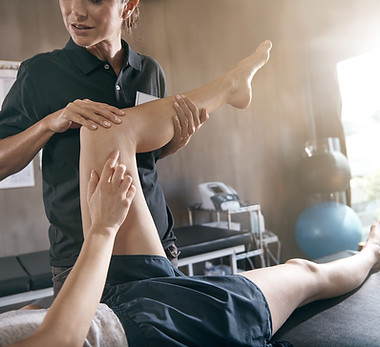
Hamstring injuries happen when one or more of the hamstring muscles in the back of the thigh are stretched or torn, usually during fast running or sudden movements.
Common causes
• Sprinting or sudden acceleration
• Not warming up properly
• Tight hamstring muscles
• Sudden stops or changes in direction
Symptoms
• Pain in the back of the thigh
• Muscle tightness or stiffness
• Swelling or bruising
• Pain when running or bending the leg
How to prevent it
• Warm up before the activity
• Stretch hamstrings regularly
• Strengthen leg muscles
• Avoid sudden increases in training
Quick tip
Tight hamstrings increase the risk of injury, so regular stretching and proper warm-ups can help prevent strains.
Shoulder Injuries
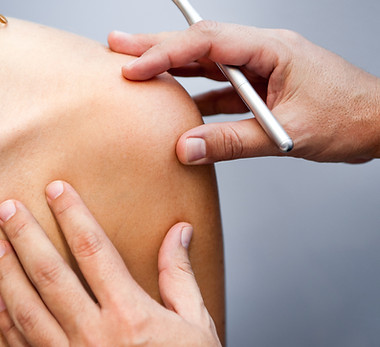
Shoulder injuries happen when the muscles, tendons, or ligaments in the shoulder are strained, torn, or irritated, often from overuse or sudden impact.
Common causes
• Repetitive overhead movements
• Lifting heavy weights improperly
• Falling on the shoulder
• Overuse during sports
Symptoms
• Pain in the shoulder
• Weakness when lifting the arm
• Limited range of motion
• Swelling or soreness
How to prevent it
• Strengthen shoulder muscles
• Use proper technique during sports
• Warm up before the activity
• Avoid overusing the shoulder
Quick tip
If lifting your arm causes pain or weakness in the shoulder, rest it and strengthen the surrounding muscles to help prevent future injuries.